
Asus may be quietly killing its smartphone ambitions. According to distribution channels in Taiwan, the company has decided not to launch any new smartphones in 2026, putting a pause to its long-running gaming-focused ROG Phone lineup.
For a brand that never chased volume but built its reputation on extreme performance, the move suggests the sector may no longer make sense commercially.
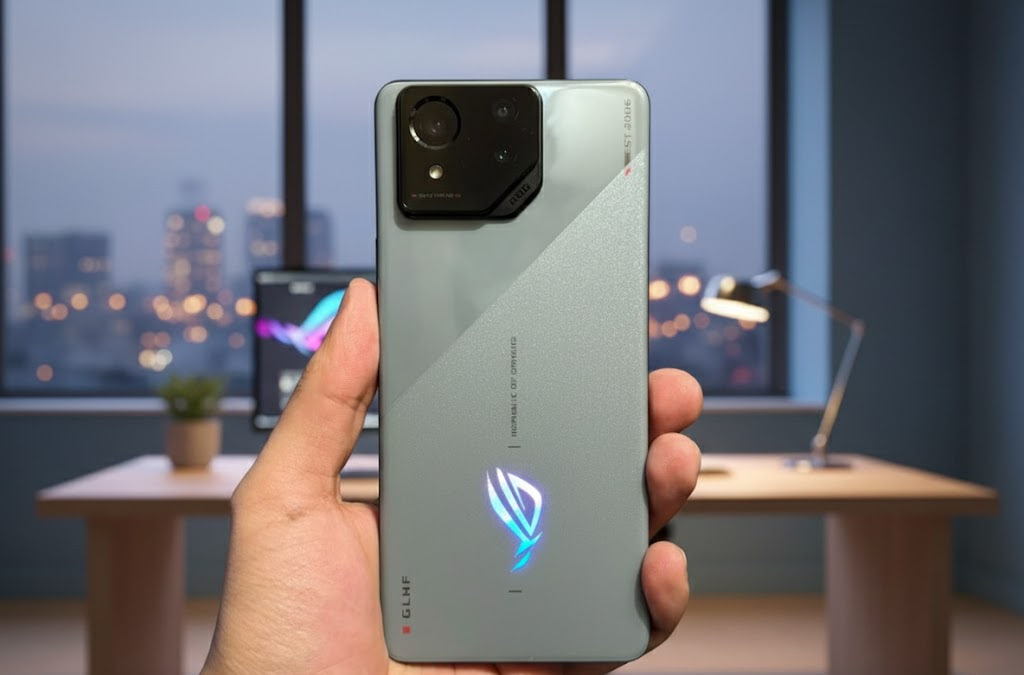
No new Asus phones planned for 2026
Distributors in Taiwan have reportedly been unable to purchase new Asus smartphones for some time. Information shared with partners indicates that Asus will continue operating its smartphone business only until the end of 2025.
Asus has confirmed that it has informed telecom partners about its plans to not release new smartphones in 2026. The company says it will continue to support existing devices with software updates, warranty coverage and after-sales service.
In practical terms this means simple: there will be no ROG Phone 10 this year, and no new ZenFone flagship.
The statement stops short of announcing a permanent exit. Asus has framed the move as a pause rather than a shutdown, leaving the door open for a possible comeback. Still, the absence of any visionary roadmap makes the future of its phone business uncertain.
A place that can no longer pay
The ROG Phone created a distinct identity in the Android space. The large battery, aggressive cooling, shoulder trigger, and maximum chipset performance made it a favorite among hardcore mobile gamers.
That focus also limited its reach. ROG Phones were expensive, heavy, and often difficult to find outside select markets. As mainstream Android flagships closed the performance gap and mobile gaming shifted toward efficiency rather than raw power, the value proposition diminished.
From a business perspective, maintaining a smartphone division for a smaller, performance-obsessed audience can no longer justify the cost.
Why is Asus holding back?
Asus did not provide detailed explanations for the decision. However, many pressures arise.
Component costs remain volatile, especially DRAM and NAND pricing. Smartphones also face slowing global demand, low margins and increasing competition from Chinese brands that operate on a larger scale.
Gaming phones are at the intersection of all these problems. They rely on premium components, sell in limited quantities, and require ongoing software support to remain relevant.
Main changes for users
For most smartphone buyers, the impact is minimal. Asus was never a major player in the broader Android market. Its Zenfone and ROG devices attracted enthusiasts, not the mass market.
However, for gaming phone fans, it leaves one of the few brands that is willing to make devices based on performance first, battery size second and then everything else.
Asus says existing devices will continue to receive updates and support, so existing owners aren’t being left out. The big question is whether the pause becomes permanent?
If Asus returns, it will likely do so in a very different market from the one that allowed gaming phones to stand out in the first place.
